
Our coaches have shared their most valuable insights into making your winter running experience that much better.
The weather won’t always cooperate in winter. Some mornings are dark, cold, windy and wet before you’ve even laced up your shoes. But winter running has a way of creating the runs we remember most — the coffee afterwards tastes better, the views feel earned, and the stories somehow get better with every retelling.
We asked the Alpasfit coaches and athletes for the small things that make the biggest difference through winter training. Here’s the advice we come back to every year.

LAYERING & GEAR
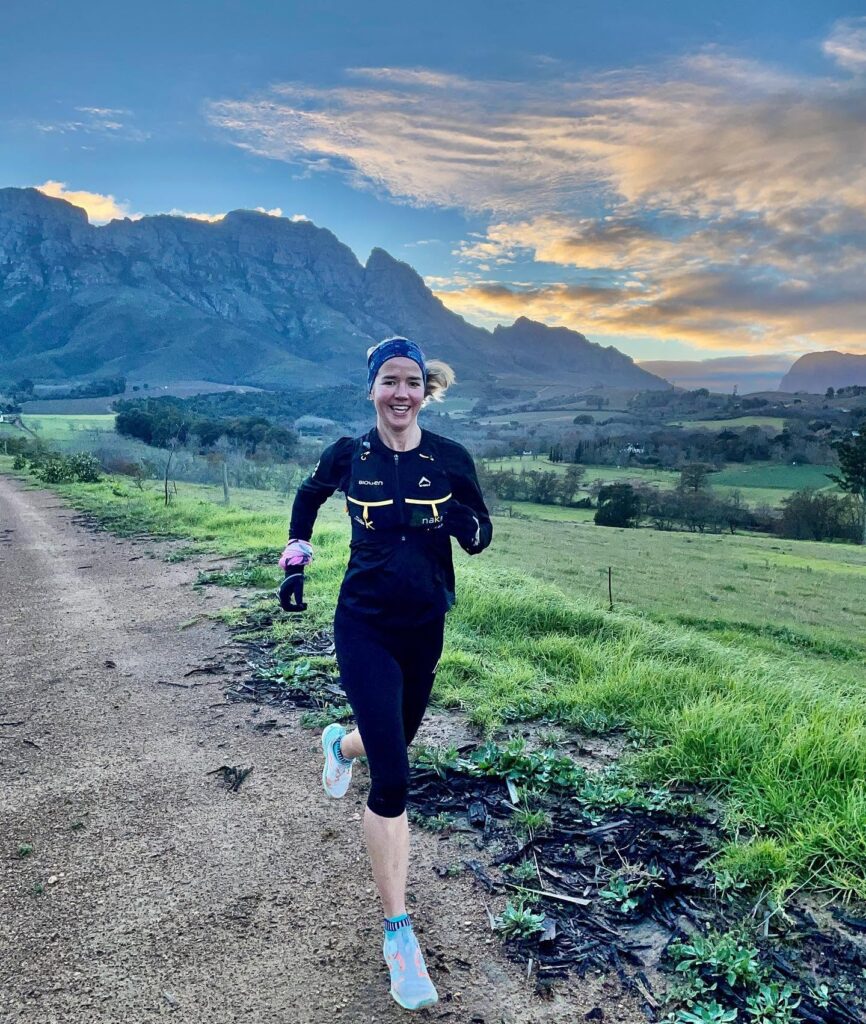
The goal in winter isn’t to feel warm standing at the front door — it’s to stay comfortable once you start moving.
Coach Christiaan says:
“Start slightly cold — you’ll warm up within 10 minutes. If you’re comfortable at the door, you’re probably overdressed.”
A good layering system makes all the difference. A merino wool base layer is one of the best investments you can make for winter running. It regulates temperature well, keeps warmth even when damp, and doesn’t hold sweat odour like synthetic fabrics.
Arm sleeves are another winter favourite because they’re versatile. Easy to roll down when you warm up and easy to stuff into a pocket when you don’t need them anymore.
And gloves? They’re usually the first thing you’ll regret leaving behind. Hands lose heat quickly, especially on windy descents or exposed trails.
For exposed routes, Christiaan recommends a windproof front panel jacket or gilet:
“It makes a massive difference when the weather turns or the wind picks up.”
Kate adds:
“Even if the weather looks good when you leave, conditions can change quickly — especially here in South Africa where it can feel like four seasons in one day.”
For any run longer than 90 minutes, Kate keeps gloves, arm sleeves and a rain jacket packed in her vest.
“And I never leave the house without a buff on my wrist. It always comes in handy.”
A proper waterproof jacket is worth taking time to find. Try them on. Run in them if you can. Make sure they fit comfortably over your layers or hydration vest.
“It’s a big investment,” Kate says, “but worth every cent. I’m on year seven of my current jacket and it’s still going strong.”
Lijan adds one small but surprisingly useful tip:
“A cap is incredibly useful in the rain — even when there’s no sun in sight. It helps keep the rain out of your face and makes a huge difference.”

FUELLING & HYDRATION
Winter has a sneaky way of making runners underfuel and underdrink.
Cold air suppresses thirst, so it’s easy to forget to drink regularly. Christiaan recommends setting a mental reminder to sip consistently, especially on longer runs.
Gels and chews also behave differently in colder temperatures.
“They get stiff in the cold,” he says. “Keeping them close to your body in a chest pocket helps keep them usable.”
Warm food before a long run can help keep your core temperature stable too. Simple things like oats, warm toast or soup can make a noticeable difference before heading out into cold conditions.
Recovery matters more in winter as well. Your body burns additional energy simply trying to stay warm, so proper recovery nutrition becomes even more important.
Kate keeps a stash of ButtaNutt nut butter sachets in her pack during winter runs:
“The fats give a slow, steady energy release and honestly help warm you up from the inside out.”

SAFETY & WINTER SMARTS
Winter trails and roads often require a slightly different approach.
“Run by effort or heart rate rather than pace,” Christiaan says. “Cold muscles and extra layers naturally slow things down.”
On wet or icy surfaces, shortening your stride can improve stability and reduce slipping.
He also recommends Vaseline on exposed areas like the face and ears during long windy runs to help prevent windburn.
And visibility matters.
“High-vis gear and a head torch are non-negotiable if you’re running before sunrise or after dark.”

THE MENTAL SIDE
Winter running becomes easier when you stop trying to survive it and start making an experience out of it.
Coach Landie says:
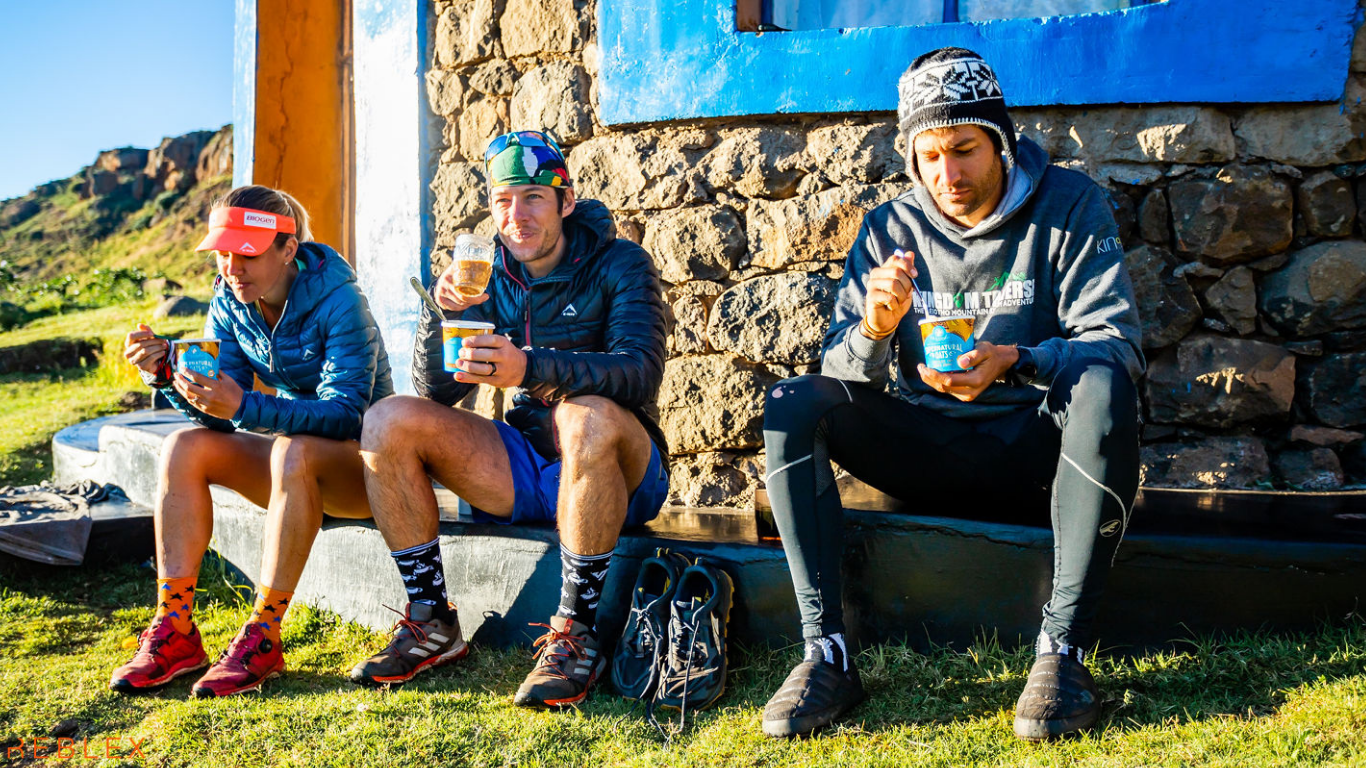
“If it’s snowing, pack a small stove or flask and stop to make a coffee. If it’s raining, a proper waterproof jacket and a cap make all the difference.”
Winter miles are also easier shared.
“It helps to make a date with a running buddy,” she says. “It’s always easier to share the cold.”
And perhaps the most important piece of advice:
“Always pack your sense of humour.”
Because the truth is, the first few minutes of a winter run almost always feel terrible.
“The first five minutes will always feel awful,” Christiaan says. “Commit to at least ten minutes before deciding to turn back.”
A simple indoor warm-up before leaving the house can help soften the cold start:
leg swings, hip circles, jumping jacks — anything to get some warmth into the body before stepping outside.
The weather won’t always cooperate.
But some of the best runs happen on the mornings when most people stayed in bed.
Keep warm,
Team Alpasfit